





High-Risk Pregnancy Care in Patna: When Do You Need Specialised Maternity Care?
Pregnancy is a major physical and emotional journey, and while many pregnancies progress normally, some require closer medical monitoring. A high-risk pregnancy is one in which the mother, baby, or both have a higher-than-usual risk of complications during pregnancy, labour, delivery, or after birth.
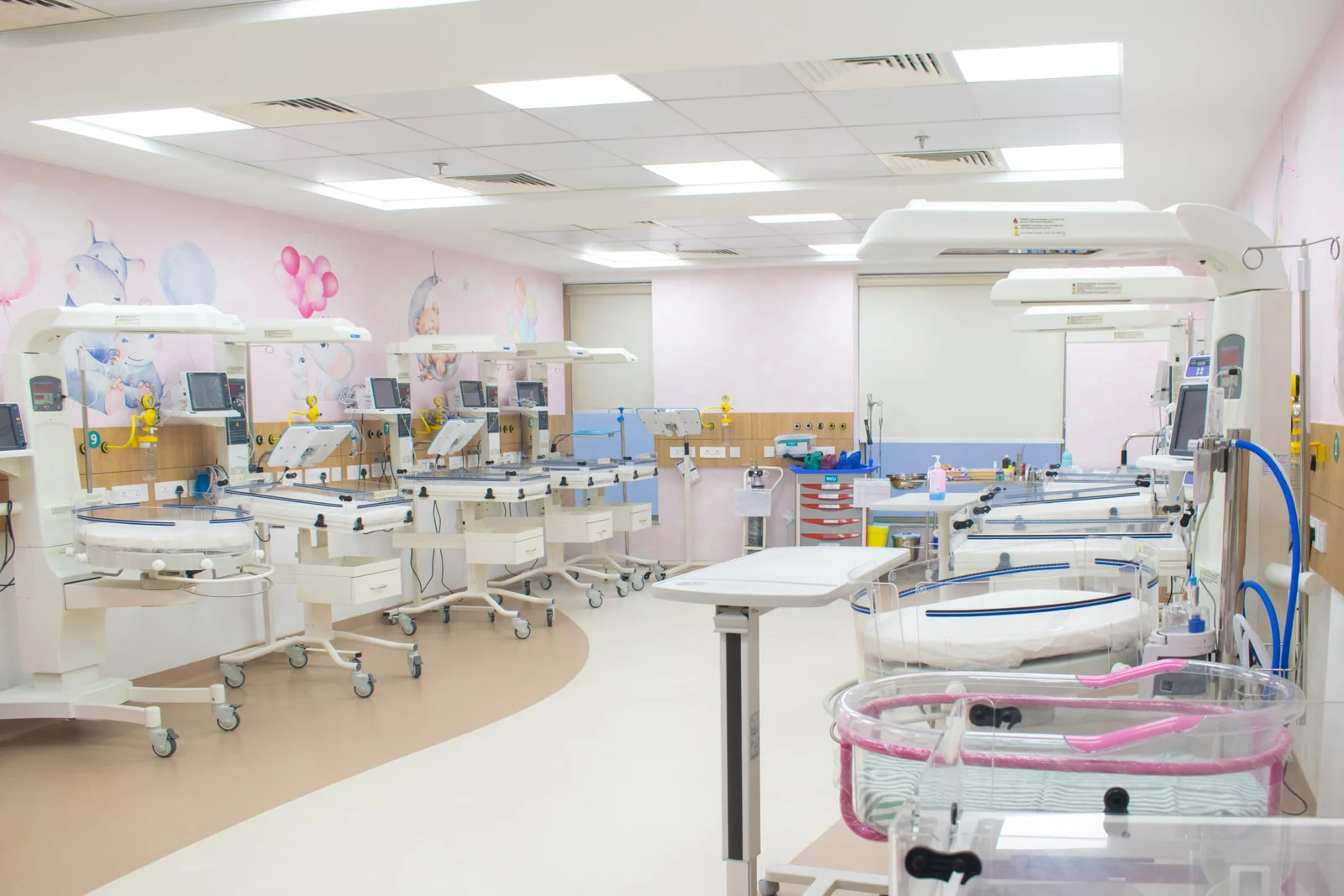
At MOM9 Advanced Urocare Hospital, Patna, high-risk pregnancy care focuses on regular assessment, appropriate investigations, maternal and fetal monitoring, and individualised delivery planning based on the mother’s and baby’s needs.
What Is a High-Risk Pregnancy?
A high-risk pregnancy does not necessarily mean that complications will occur. It means that certain health conditions, pregnancy-related factors, or medical history may require additional monitoring or specialised obstetric care.
A pregnancy may be considered high risk because of:
- Existing medical conditions
- Pregnancy-related complications
- Previous pregnancy or delivery complications
- Multiple pregnancy
- Certain fetal conditions
- Maternal age and other individual factors
The level of monitoring depends on the specific risk factors and how the pregnancy progresses.
Common High-Risk Pregnancy Factors
Several factors can increase the need for specialised pregnancy care.
These may include:
- Diabetes before or during pregnancy
- High blood pressure or pregnancy-related hypertension
- Previous preterm birth
- Previous pregnancy loss or complications
- Previous caesarean delivery
- Multiple pregnancy such as twins or triplets
- Certain heart, kidney, thyroid, or autoimmune conditions
- Placental problems
- Fetal growth concerns
- Certain abnormalities detected during pregnancy
- Maternal age-related risks
Having one of these factors does not automatically mean that a serious complication will develop. Your obstetrician in Patna can assess your individual risk and recommend appropriate monitoring.
Pregnancy With Diabetes or High Blood Pressure
Diabetes During Pregnancy
Diabetes can affect pregnancy and may require closer monitoring of both mother and baby.
Depending on the type and severity of diabetes, pregnancy care may include:
- Blood glucose monitoring
- Dietary guidance
- Medication or insulin when required
- Regular antenatal appointments
- Ultrasound monitoring
- Assessment of fetal growth
- Planning for delivery
Good blood glucose management can help reduce pregnancy-related risks.
High Blood Pressure During Pregnancy
High blood pressure during pregnancy can range from chronic hypertension to pregnancy-related conditions such as gestational hypertension and pre-eclampsia.
Monitoring may include:
- Regular blood pressure checks
- Urine testing
- Blood tests when indicated
- Monitoring for symptoms
- Fetal growth assessment
- Additional fetal monitoring when required
Severe headache, vision changes, severe upper abdominal pain, sudden swelling, breathing difficulty, or significantly elevated blood pressure during pregnancy require prompt medical assessment.
Previous Pregnancy Complications
A previous pregnancy or delivery complication does not necessarily mean that the same problem will happen again.
However, your obstetrician may review your previous medical records and consider additional monitoring if you have a history of:
- Preterm delivery
- Pregnancy-related hypertension
- Pre-eclampsia
- Gestational diabetes
- Recurrent pregnancy loss
- Placental complications
- Fetal growth problems
- Previous caesarean delivery
- Difficult delivery
Your previous pregnancy history can help your doctor develop an appropriate antenatal care plan.
Multiple Pregnancy
Pregnancies involving twins, triplets, or more babies generally require closer monitoring than many singleton pregnancies.
Multiple pregnancy can increase the risk of complications such as:
- Preterm birth
- High blood pressure
- Gestational diabetes
- Fetal growth differences
- Anaemia
- Certain placental complications
The frequency and type of ultrasound and fetal monitoring depend on the type of multiple pregnancy and how the babies are developing.
Advanced Maternal Age
Pregnancy at an older maternal age may be associated with an increased risk of certain complications. However, many women have healthy pregnancies with appropriate medical care.
Your obstetrician may consider factors such as:
- Existing medical conditions
- Blood pressure
- Blood sugar
- Fetal growth
- Genetic screening options
- Placental health
- Previous pregnancy history
Age should be considered alongside the woman’s overall health and pregnancy history rather than viewed in isolation.
Importance of Regular Antenatal Check-Ups
Regular antenatal appointments are an important part of high-risk pregnancy care in Patna.
During these visits, your healthcare team may monitor:
- Maternal blood pressure
- Weight and general health
- Blood and urine test results
- Blood glucose when indicated
- Baby’s growth and development
- Fetal heart rate
- Symptoms or signs of pregnancy complications
- Medication requirements
The frequency of appointments may be increased when additional monitoring is needed.
Ultrasound and Pregnancy Monitoring
Ultrasound is an important tool for assessing fetal development and pregnancy-related conditions.
Depending on the pregnancy, your doctor may recommend ultrasound examinations to assess:
- Fetal growth
- Fetal anatomy
- Amniotic fluid
- Placental location
- Fetal position
- Blood flow using Doppler when indicated
- Growth differences in multiple pregnancies
Additional fetal monitoring may be recommended depending on maternal health, fetal growth, gestational age, and other clinical factors.
When May Hospital-Based Specialist Care Be Needed?
Hospital-based specialist care may be recommended when pregnancy involves conditions that require closer observation or access to specialised maternity and newborn services.
Examples may include:
- Significant pregnancy-related hypertension
- Poorly controlled diabetes
- Suspected fetal growth restriction
- Multiple pregnancy with complications
- Placental problems
- Preterm labour
- Significant maternal medical conditions
- Reduced fetal movements
- Suspected fetal complications
- Pregnancy requiring planned specialist delivery
The appropriate level of care depends on the mother’s condition, gestational age, fetal health, and available specialist services.
Warning Signs During Pregnancy
Contact your healthcare provider promptly if you experience concerning symptoms such as:
- Vaginal bleeding
- Severe or persistent abdominal pain
- Severe headache
- Blurred vision or other vision changes
- Sudden swelling of the face or hands
- Fluid leakage from the vagina
- Regular painful contractions before the expected due date
- Fever or feeling seriously unwell
- Difficulty breathing
- Noticeably reduced fetal movements later in pregnancy
Some symptoms require emergency assessment rather than waiting for a routine appointment.
Delivery Planning for High-Risk Pregnancy
Delivery planning is individualised according to maternal and fetal health.
Your obstetric team may consider:
- Gestational age
- Baby’s growth and position
- Placental location
- Maternal health conditions
- Previous delivery history
- Multiple pregnancy
- Fetal monitoring results
- Risk of preterm birth
- Need for specialist newborn care
Depending on the circumstances, vaginal delivery or caesarean delivery may be considered.
A caesarean section is not automatically required simply because a pregnancy is classified as high risk.
Post-Delivery Monitoring
Care does not end immediately after delivery. Some maternal conditions can continue or develop during the postpartum period.
Depending on individual circumstances, monitoring may include:
- Blood pressure
- Blood glucose
- Bleeding
- Recovery after delivery
- Medication requirements
- Breastfeeding support
- Emotional wellbeing
- Newborn health and feeding
Women with pregnancy-related hypertension, diabetes, or other medical conditions may need specific postpartum follow-up.
Why Choose MOM9 for High-Risk Pregnancy Care in Patna?
At MOM9 Advanced Urocare Hospital, pregnancy care is focused on appropriate monitoring, timely assessment, and personalised obstetric management.
Our maternity care approach includes:
- Experienced obstetric and gynaecology specialists
- Regular antenatal monitoring
- Pregnancy ultrasound and diagnostic support
- Monitoring of maternal and fetal health
- Management of pregnancy-related conditions
- Individualised delivery planning
- Post-delivery maternal care
- Newborn care support when required
- Patient and family-focused communication
Every pregnancy is different, so the care plan is developed according to individual medical needs.
Frequently Asked Questions About High-Risk Pregnancy
Does high-risk pregnancy mean I will have complications?
No. High-risk classification means that certain factors increase the possibility of complications or require closer monitoring. Many women with high-risk pregnancies have healthy outcomes with appropriate care.
What makes a pregnancy high risk?
Factors can include diabetes, high blood pressure, previous pregnancy complications, multiple pregnancy, certain maternal medical conditions, fetal concerns, and other individual risk factors.
Can I have a normal delivery with a high-risk pregnancy?
In some cases, yes. Whether vaginal delivery is appropriate depends on the specific pregnancy, maternal health, fetal condition, gestational age, and other clinical factors.
How often should I have antenatal check-ups?
The schedule depends on your stage of pregnancy and individual risk factors. High-risk pregnancies may require more frequent appointments and additional monitoring.
Is high-risk pregnancy dangerous?
A high-risk pregnancy has an increased potential for complications, but the level of risk varies considerably. Regular monitoring allows healthcare professionals to identify and manage problems when they arise.
When should I contact my doctor during pregnancy?
Contact your healthcare provider if you experience symptoms such as vaginal bleeding, severe abdominal pain, fluid leakage, severe headache, vision changes, breathing difficulty, reduced fetal movements, or other concerning symptoms.
High-Risk Pregnancy Care in Patna at MOM9
If you have diabetes, high blood pressure, a previous pregnancy complication, multiple pregnancy, or another medical concern, specialised antenatal monitoring may be recommended.
MOM9 Advanced Urocare Hospital, Patna provides personalised high-risk pregnancy care in Patna, from antenatal assessment and pregnancy monitoring to delivery planning and postpartum support.
Expert Hands. Compassionate Care.